
When Is a Dental Crown Considered to Be Necessary?
Nov 04, 2025
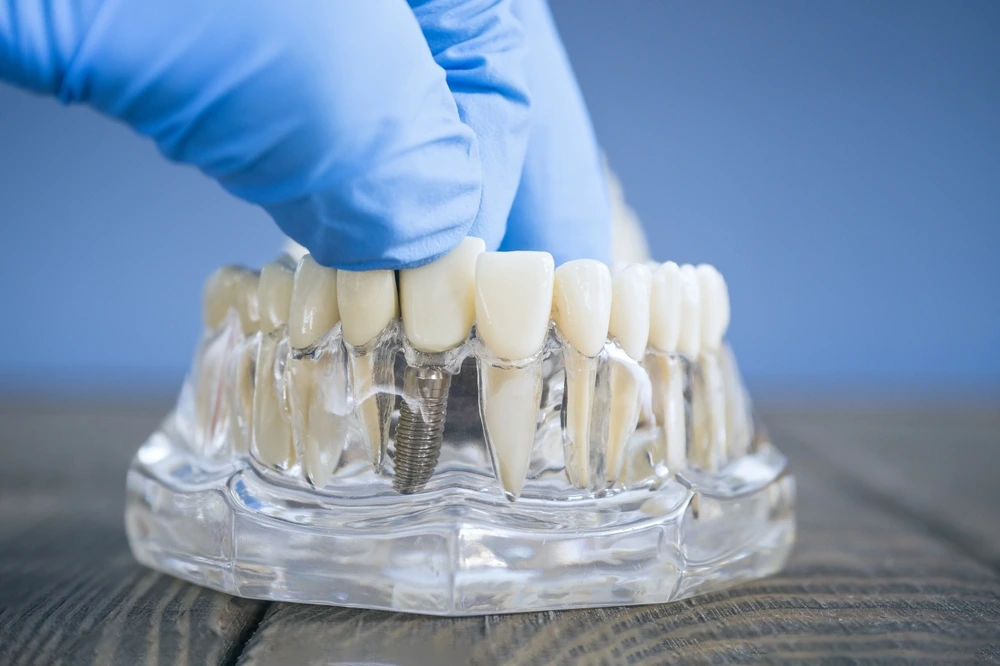
A dental crown is a custom-made cap that covers a tooth to restore its shape, strength, and appearance. Crowns are used when a tooth cannot be reliably restored with a filling alone, or when protecting and rebuilding the tooth will give you a longer-lasting result. At PoshPearl Family Dental Studio in Yucaipa, crowns are offered as one of several reliable options to preserve natural teeth and restore comfortable chewing and a confident smile.
Common Reasons a Crown May Be Recommended
Large or Deep Decay that Weakens a Tooth
If a cavity has removed a lot of tooth structure, a filling may not be strong enough to hold the tooth together. After the dentist removes the decay and shapes what remains, a crown covers and reinforces the tooth so it can handle normal chewing forces.
Tooth Fractures or Severe Chipping
A cracked or fractured tooth that cannot be repaired with a simple filling often needs a crown. The crown keeps the broken pieces together and prevents the crack from spreading, while restoring function and appearance.
After Root Canal Treatment
Root canal therapy removes infected or inflamed pulp from inside a tooth. That treatment can leave the tooth more brittle. Many dentists recommend placing a crown after root canal therapy on back teeth to protect the treated tooth from fracture. For some front teeth with minimal remaining structure, a crown is also commonly used.
Large Existing Fillings
Teeth with very large fillings can become weaker over time because there is less natural tooth left. A crown covers and supports the remaining structure more completely than a large filling would.
Restoring an Implant
A crown is the visible restoration that is attached to a dental implant. After the implant has integrated with the jawbone, the crown is fitted on top to replace a missing tooth, both functionally and cosmetically.
Worn Teeth from Grinding or Acid Wear
Chronic grinding or severe enamel erosion can shorten and weaken teeth. Crowns can rebuild the proper height and shape of those teeth so your bite works better and the teeth are protected.
Cosmetic Improvements When Other Options Are Not Suitable
Veneers and bonding fix many cosmetic concerns, but when a tooth is misshapen, heavily stained, or has very little enamel left, a crown may offer a more durable cosmetic solution.
Alternatives to Crowns to Consider
Crowns are not the only option. Depending on how much healthy tooth remains and the location of the tooth, alternatives include:
Onlays and Inlays
These are partial coverage restorations that preserve more natural tooth than a full crown. They are a good choice when the damage is moderate and confined to one or two surfaces.
Veneers
Porcelain veneers cover only the front surface of a tooth. They can be excellent for cosmetic issues on front teeth, but do not strengthen a tooth that has a large fracture or deep decay.
Composite Bonding
For small chips, cracks, or minor shape changes, composite bonding is a quick, conservative option. It is less durable than a crown but preserves more natural tooth.
A dentist will explain which option best matches the condition of the tooth, your budget, and your long term goals.
What to Expect During the Crown Process
Diagnosis and Treatment Planning
Your dentist will examine the tooth, take X-rays, and discuss options. If a crown is recommended, the plan will include the chosen material and whether any additional treatment, such as root canal therapy, is needed first.
Tooth Preparation and Temporary Crown
On the first visit, the dentist reshapes the tooth to make room for the crown. Any decay or old filling material is removed. Impressions or digital scans are taken, and a temporary crown is placed while the final crown is made.
Final Crown Placement
At the second visit, the temporary crown is removed. The final crown is checked for fit, bite, and color match, and then cemented permanently. Some clinics offer same day crowns made with chairside milling systems, which allow the crown to be prepared and placed during a single appointment.
Materials Used for Crowns
Crowns come in several materials, each with pros and cons:
- Porcelain fused to metal: strong and can be color-matched, but a thin dark line may be visible at the gum line over time.
- All ceramic or all porcelain: most natural looking and preferred for front teeth.
- Metal alloys: very strong and durable for back teeth, where appearance is less critical.
- Zirconia: very strong and can be made to look natural. It is popular for both back and front teeth when durability and esthetics are needed.
Your dentist will help choose the right material based on tooth position, bite forces, and cosmetic needs.
Longevity and Care
A well made crown can last many years with proper care. Average lifespans commonly reported in dental literature are roughly 10 to 15 years, but many crowns last longer. Factors that affect longevity include oral hygiene, grinding habits, diet, and regular dental checkups. If a crown chips, becomes loose, or you feel persistent pain under it, contact your dental team promptly.
Common Questions About Crowns
Q. Can decay happen under a crown?
Yes. The junction where the crown meets the tooth can develop decay if plaque accumulates. Brushing, flossing, and regular professional care are important to prevent this.
Q. Is getting a crown painful?
The tooth and surrounding area are numbed during the procedure. Some sensitivity or soreness after the visit is normal and usually temporary.
Q. How many visits are needed?
Many crowns are done in two visits. Same-day crowns are an option in practices with digital milling technology.
When to Call PoshPearl Family Dental Studio in Yucaipa
If you have persistent tooth pain, a visible crack, a large filling, or a tooth that is causing discomfort when you bite down, book an evaluation. Early assessment helps preserve more of your natural tooth and avoids more complex treatments later.
Schedule Your Visit Today
If you think a crown might be right for you, contact PoshPearl Family Dental Studio in Yucaipa for a friendly consultation and personalized treatment plan. Let our team help you restore a healthy, beautiful smile.
Get in Touch Today!
Fill out the simple form and schedule your visit with us today. We will get back to you promptly.

34366 Yucaipa Blvd, Ste K
Yucaipa, CA 92399

Call Us (909) 797-9247
Email jveradentastic@gmail.com

Monday: 9:00 a.m. to 6:00 p.m.
Tuesday: 9:00 a.m. to 6:00 p.m.
Wednesday: 8:30 a.m. to 5:00 p.m.
Thursday: 9:00 a.m. to 6:00 p.m.
Friday: Closed
Saturday: Closed
Sunday: Closed